Healthy Aging
Aging Is Not a Decline. It Is an Invitation to Care for Ourselves Differently.
Growing older can change how we care for ourselves. A compassionate approach makes room for gratitude, changing abilities, and support, beginning with one achievable choice that fits the life we are living today.
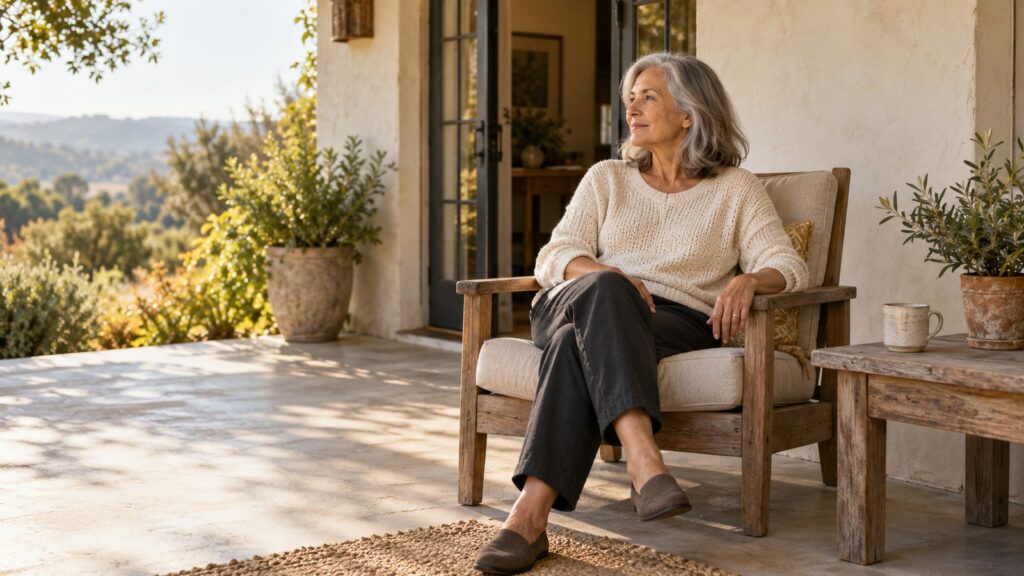
There comes a time in our lives when we begin to notice subtle changes in ourselves. Perhaps we do not move quite as quickly as we once did, our energy seems a little less predictable, or our reflection reveals a few more lines than we remember. For some, these changes arrive gradually, almost unnoticed. For others, they become a source of concern, frustration, or even fear. Yet what if we could begin to look at aging through a different lens? What if, rather than viewing these changes as evidence of something we are losing, we recognized them as an invitation to become more attentive, compassionate, and involved in our own well-being?
Aging is one of the few experiences every human being shares, yet our attitudes toward it can be remarkably different. We live in a world that often celebrates youth while quietly suggesting that growing older means becoming less capable, less relevant, or less vibrant. But our chronological age tells only a small part of our story. Two individuals of the same age may experience dramatically different levels of strength, mobility, energy, and independence. Genetics, environment, medical history, and circumstances certainly matter, but so do the habits we develop, the choices we make, and the attention we give ourselves along the way.
Caring for ourselves more thoughtfully
One of the most meaningful changes we can make is to stop treating our bodies as though they have somehow disappointed us. Our bodies have carried us through decades of experiences, challenges, accomplishments, and hardships that others may never fully understand. They have adapted, healed, compensated, and persevered. Rather than criticizing ourselves for what we can no longer do, perhaps we might begin by expressing gratitude for everything our bodies continue to make possible. This change in perspective does not mean ignoring the physical realities of aging. It means approaching those realities with greater kindness and a willingness to participate in our own care.
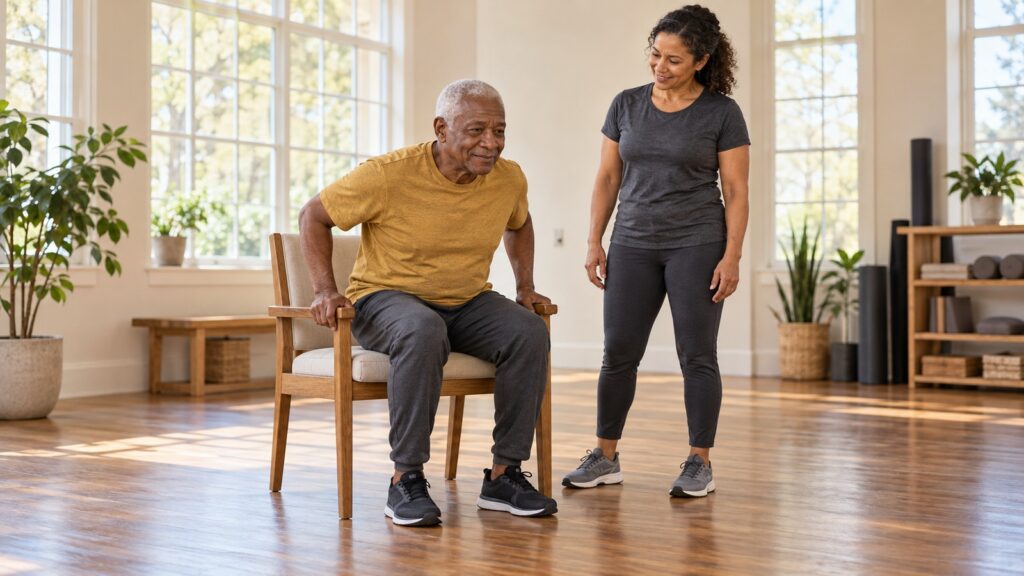
Modern science continues to demonstrate that many aspects of physical function remain responsive to healthy behaviors throughout our lives. Our muscles can become stronger, our balance can improve, our cardiovascular fitness can respond to appropriate exercise, and our brains retain the capacity to learn and adapt. Although we cannot eliminate every age-related change, we can often influence how those changes affect our daily lives. The important realization is that we do not have to be young to begin caring for ourselves more thoughtfully, and we certainly do not have to be perfect.
Healthy aging is not a competition
There is also something deeply liberating about recognizing that healthy aging is not a competition. We do not need to compare our appearance, abilities, or accomplishments to those of our friends, family members, or even our younger selves. Each of us arrives at this moment carrying a unique history, with different strengths, limitations, and opportunities. What matters is not whether we can accomplish everything we once did, but whether we remain willing to explore what is possible today. Sometimes progress means becoming stronger, while at other times it means learning to move more gently, rest more thoughtfully, or simply appreciate ourselves without judgment.
Small acts of self-respect
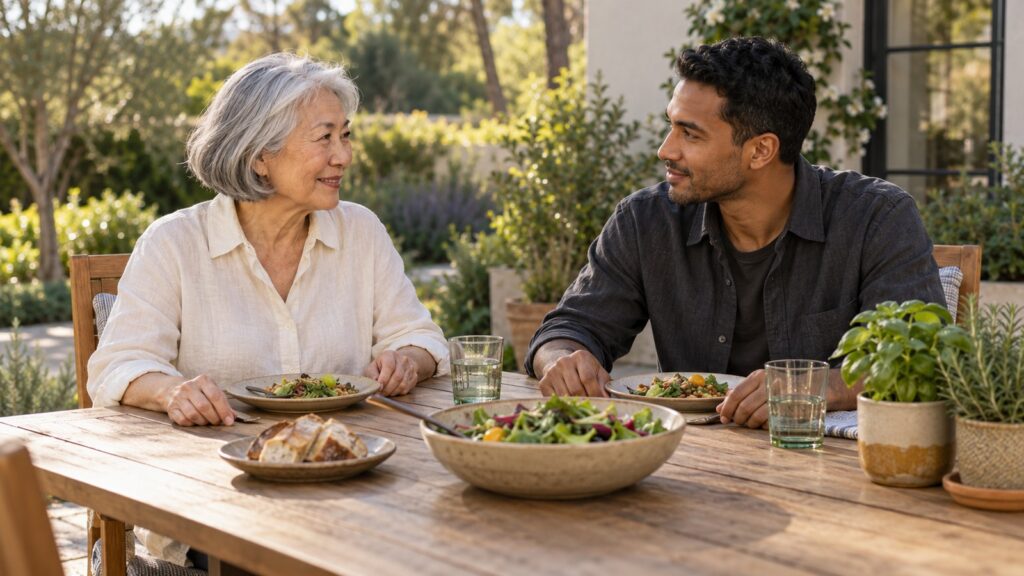
Perhaps the most beautiful part of healthy aging is recognizing that progress does not require dramatic transformation. A daily walk, more attention to sleep, nourishing meals, or a few moments of quiet reflection may seem insignificant when viewed individually. Yet repeated over weeks, months, and years, these small acts of self-respect can become the foundation of meaningful change. The challenge is not to create a perfect lifestyle overnight, but to develop a relationship with ourselves that encourages consistency, patience, and understanding.
As we continue this journey together, we invite you to consider one simple question: What might change in your life if you began treating your health not as something to repair only when it becomes compromised, but as something worthy of your attention, kindness, and care every single day? Perhaps the answer begins with recognizing that growing older is not something we need to fear or resist. It is an opportunity to become more aware of ourselves, more grateful for what remains possible, and more intentional about the life we wish to continue living.
In our next article, we will explore how this philosophy becomes action through movement, strength, balance, nourishment, and the remarkable ability of our bodies to adapt, even as we grow older.